Substance abuse can alter a person’s perception of reality, making them more prone to misunderstandings and misinterpretations. This altered perception can lead to increased paranoia, jealousy, and mistrust, which can escalate into conflict and violence. Domestic violence is often linked to physical violence, but other types exist.
Breaking the Cycle of Domestic Violence and Addiction: A Path to Empowerment and Recovery for Women
Domestic violence in substance-abusing households is alarmingly common. Studies reveal that between 40% and 60% of reported domestic abuse situations involve alcohol or drug use. The National https://ecosoberhouse.com/article/how-are-substance-abuse-and-domestic-violence-related/ Institute on Alcohol Abuse and Alcoholism reports that approximately one-fourth to one-half of men who commit acts of domestic violence also have substance abuse problems. These statistics paint a troubling picture of interconnected crises. Involvement in domestic violence and substance abuse can lead to legal issues, such as arrests, restraining orders, and criminal charges. These legal troubles can have long-lasting effects on an individual’s life, including difficulties finding employment or housing.
The Importance of Trauma-Informed, Integrated Care for Dual Recovery
Many people successfully break these harmful cycles and build healthier, safer lives for themselves and their families. The abusive use of drugs becomes dangerous when combined with other risk factors like a history of trauma, mental health issues, or learned patterns of controlling behavior. Substance abuse often increases the risk of domestic violence, leading to physical, emotional, and psychological harm. One major sign is frequent and unpredictable aggression, where an individual becomes violent or threatening, especially while under the influence of drugs or alcohol.
Stay digitally safe
Financial abuse can significantly impact a person’s financial situation and their well-being. It can occur alongside emotional and psychological abuse, physical abuse, sexual abuse and sexual violence. The impacts are particularly severe for older people, where financial abuse is a key feature of elder abuse, often involving a trusted family member or caregiver. Experiencing domestic violence leaves deep psychological scars, including anxiety, depression, and post-traumatic stress disorder (PTSD).
- Her father later alleged that Umar was responsible for her murder.
- Intimate partner violence, or domestic violence, is abuse that takes place within personal relationships.
- Sometimes domestic violence begins or gets worse during pregnancy.
Beyond simple disinhibition, alcohol narrows a person’s cognitive focus, a phenomenon researchers call alcohol myopia. Under this influence, an intoxicated person might fixate on a minor provocation while ignoring cues that would normally prevent escalation, such as the consequences of violence or alternative interpretations of ambiguous situations. Their information processing becomes impaired, attention control weakens, and decision-making abilities deteriorate. Free from the substances that cloud your judgment, free from the violence that steals your peace and free to build a life defined by choice rather than compulsion, by connection rather than fear. According to experts, violence stems from an insatiable desire for control. Despite denying or feeling shame, abusers persist in their destructive patterns, perpetuating a vicious cycle of suffering.
At Recovery Guide, our mission is to connect as many individuals struggling with mental health and substance abuse disorders to reputable treatment facilities. Unfortunately, in many cases, financial abuse only becomes visible once a situation has escalated. “There may not always be warning signs or red flags apparent to others or even the victim of the financial abuse themselves until there is a https://satreskrimpolresserang.my.id/2025/07/18/how-to-de-stress-after-work-11-tips-to-unwind/ related crisis,” says Prof. Breckenridge. Some people worry that seeking help could make the danger for their children worse.
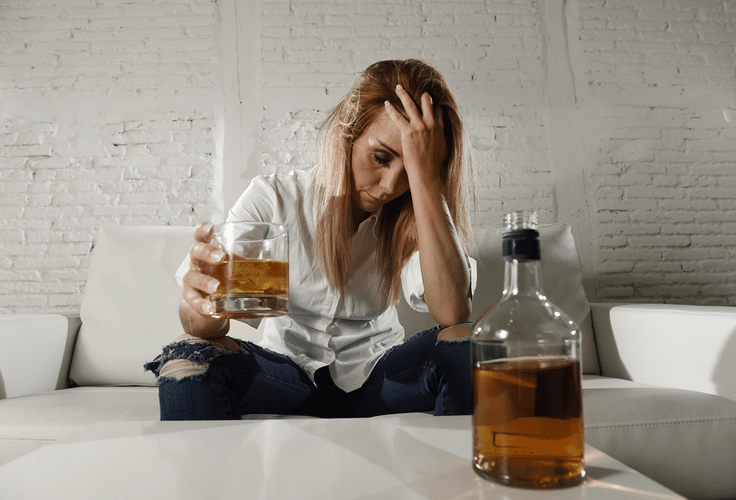
Trauma-informed care is critical for survivors facing the Alcohol Use Disorder dual challenges of domestic violence and addiction. This specialized approach prioritizes safety, empowerment, and respect, aiming to create a supportive environment where survivors feel heard and valued. Integrated care, which addresses both substance abuse recovery for survivors and the trauma of domestic violence, offers the best path to long-term healing.
It hopes to shed light on strategies that may improve outcomes for at-risk people and offer guidance on developing healthier home environments free from abuse. Safety comes first when domestic violence and substance abuse affect a family. Creating a safety plan involves identifying safe places to go, keeping important documents accessible, and knowing how to contact emergency services. Domestic violence is a pattern of abusive behaviors used by one partner to gain or maintain power and control over another partner in an intimate relationship. It can occur in marriages, dating relationships, family settings, or live-in relationships.
What Teens Can Do If They’re Experiencing Abuse
If you or someone you love is in an unsafe situation, there is help available—right here in our community. At Steps to Hope, we often remind families in Polk County, NC and Upstate SC that abuse doesn’t always leave visible bruises. Emotional and digital abuse can be just as damaging, especially during the teenage years when identity and self-esteem are still forming. Actual threats should always be taken seriously and responded to immediately.
Some victims of domestic violence feel guilt or shame about their situation. Others are financially dependent on their abuser, which makes it difficult to end the relationship. Many people successfully address both issues simultaneously through integrated dual diagnosis treatment programs that provide trauma-informed care alongside addiction recovery services. Dual diagnosis treatment for substance use and domestic violence requires a comprehensive approach, as the two phenomena often overlap. Integrated programs will address both issues through therapy, trauma-informed care, and support groups. Substance use treatment may include detox, medication-assisted treatment, rehab programs, and peer support such as Alcoholics Anonymous (AA).