Recognizing the signs of gambling addiction a guide to awareness and recovery
Understanding Gambling Addiction
Gambling addiction, often termed compulsive gambling, is a complex psychological condition that affects many individuals worldwide. This disorder is characterized by an uncontrollable urge to gamble despite the negative consequences it brings. The psychology behind gambling addiction is deeply rooted in the brain’s reward system, where the thrill of winning activates pleasure centers, making the experience intensely gratifying. Many players often search for the best poker sites, which can amplify this cycle of seeking out gambling for emotional relief and excitement.
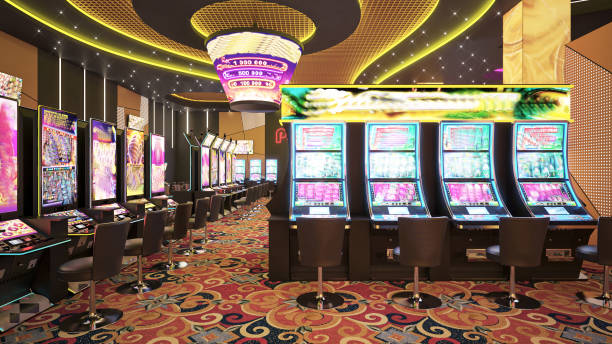
Recognizing the signs of gambling addiction is crucial for early intervention and recovery. Symptoms may include preoccupation with gambling, a need to gamble with increasing amounts of money, and unsuccessful attempts to cut back on gambling activities. Understanding these indicators can help individuals and their loved ones to seek help promptly and start the journey toward recovery.
Recognizing the Signs
Awareness of gambling addiction signs is essential for both individuals and their families. Common behaviors indicative of gambling addiction include lying about gambling activities, borrowing money to finance gambling, or experiencing withdrawal symptoms when not gambling. These behaviors often stem from a desperate need to chase losses or maintain the excitement associated with gambling.
Furthermore, emotional and mental health issues often accompany gambling addiction. Individuals may experience anxiety, depression, or mood swings that can exacerbate their gambling behavior. Recognizing these signs not only helps in addressing the addiction itself but also in understanding the underlying emotional turmoil that may be contributing to it.
Impact on Relationships and Finances
The effects of gambling addiction can extend far beyond the individual, significantly impacting relationships and financial stability. Families may suffer due to broken trust, increased conflicts, and financial strain caused by excessive gambling. Partners and family members often find themselves caught in a cycle of enabling behaviors, attempting to cover up debts or rescue their loved one from financial ruin.
Financial problems associated with gambling addiction can be severe, leading to substantial debts, bankruptcy, and loss of assets. The stress of these financial burdens can create an additional layer of conflict within relationships, making it crucial to address the addiction holistically and seek professional help.
Pathway to Recovery
Recovery from gambling addiction is a challenging yet achievable journey. Treatment options often include therapy, support groups, and in some cases, medication. Cognitive-behavioral therapy (CBT) has been shown to be particularly effective, helping individuals to identify harmful thought patterns and develop healthier coping strategies.
Support from family and friends is also vital during recovery. Encouragement and understanding can make a significant difference as individuals navigate their path towards regaining control over their lives. It is essential for those affected to remember that recovery is a process, and setbacks may occur, but persistence and support can lead to lasting change.

About the Website
This website serves as a valuable resource for those seeking information and insights on gambling addiction and the gambling industry at large. It provides timely news, analysis, and updates tailored for professionals and enthusiasts within the gambling sector. Additionally, the platform aims to promote awareness about gambling addiction and the importance of seeking help.
For individuals affected by gambling addiction, this website offers guidance on recognizing symptoms and understanding available treatment options. By fostering awareness and providing resources, the site aims to contribute positively to the conversation around gambling addiction and recovery, helping to create a more informed and supportive community.